“I’ve heard that the walls of old houses sometimes hold onto voices – and play them back at odd times.” –Anya Allyn
Loading map…
Exhibit Details
The White House is the original farmhouse used by the Reynolds’ family who owned the Horseshoe property through most of the 19th century.
Since Chester County Council acquired Horseshoe, the building has been used as a headquarters, a health lodge, a senior camp staff dormitory, winter camping, special events, and unit leader office center.
The White House, the original home of the Reynolds family prior to Camp Horseshoe’s purchase by Chester County Council, is now used primarily for training, leader socials during summer camp and auxiliary staff housing
White House Sign
2010 – Contributed by Andrew Coe
The White House sign, part of the HSRAA signage project.
White House in the 1970s
Contributed by Rev. James Goudie
Nice view of the White House from below Kindness Center in the ’70s.
1990s Horseshoe White House
Contributed by John B. Rettew III
Horseshoe White House in the 1990s.
White House Awning Construction
1997 – Contributed by Jim Battenfelder
In 1997, the White House awning went under re-construction because of roof damage and rot.
White House
2008 – Contributed by David B. Woodward
Approaching the White House from the Dining Hall.
White House
Contributed by John B. Rettew III
This is the rear of the White House in the early 1980s.
White House
1950 – Contributed by Anonymous
White House is focal point for Scouts off the camp Loop Road.
White House
1949 – Contributed by John B. Rettew III
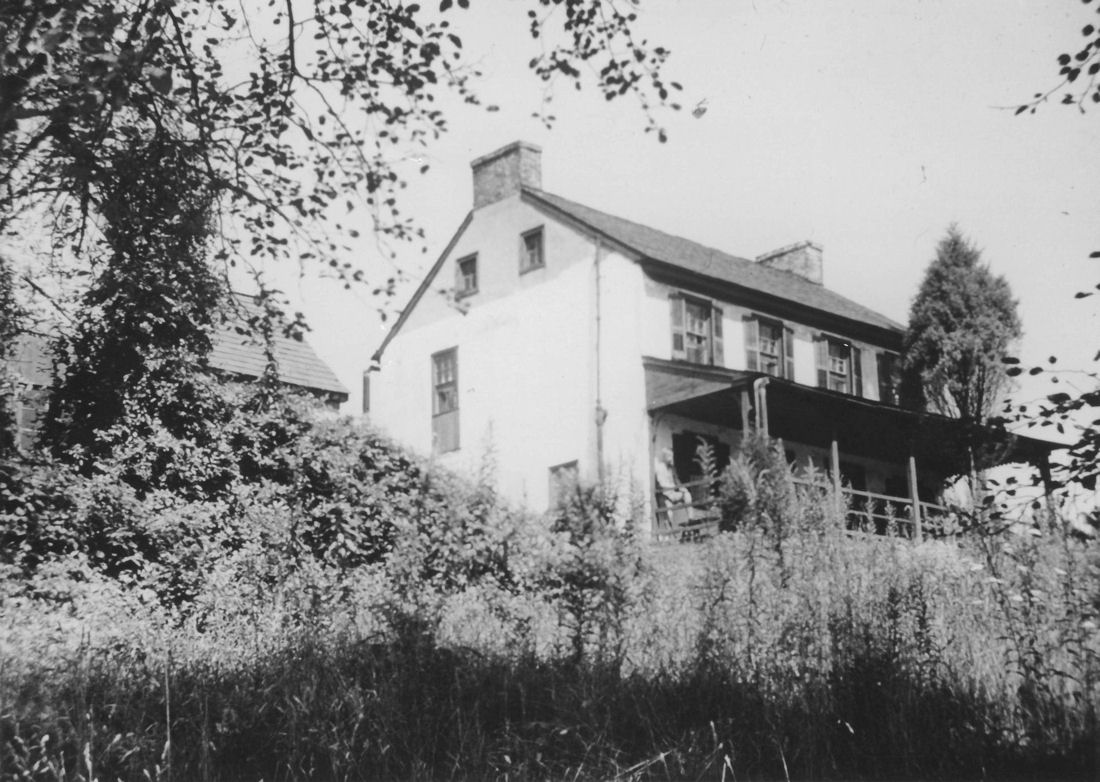
View of the back porch of the White House in the late 1940’s.
Bug House
Contributed by Rev. James Goudie
View of the old spring house (aka, Bug House) from the White House back porch.
White House
1945 – Contributed by Anonymous
The old Reynold’s farm house (aka. the White House). Early camp use was for HQ and the first check-in point for campers. In 2006, White House re-dedicated to the memory of Ellwood “Ossie” Spellman.
White House – Headquarters
1930 – Contributed by Anonymous
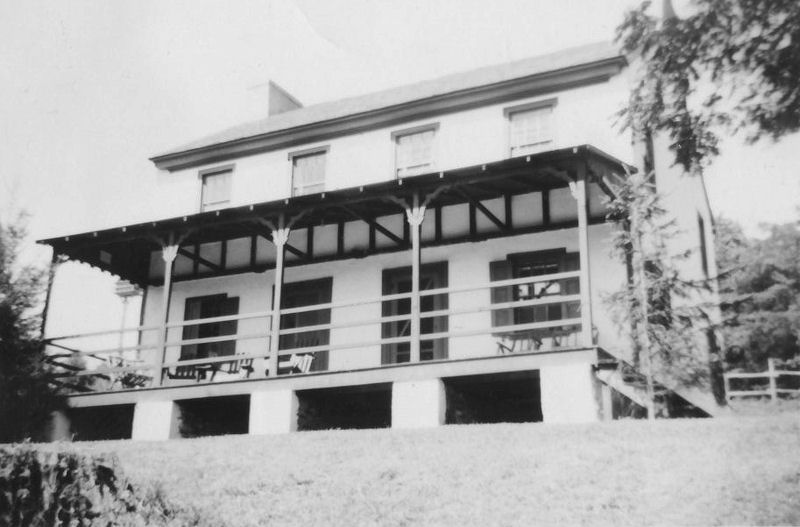
The Headquarters sign above the stairs to the White House porch and the Mail Box date this photo around 1930.
White House
Contributed by Anonymous
An early picture of the White House.
Reynolds Farm House
1928 – Contributed by Anonymous
The Reynolds farm house (later named the White House) with the spring house (later named the Bug House) in the background.
Check-In Day
Contributed by Anonymous
White House HQ check-in for arriving Scouts as parents wait outside.
Al Weeks
1944 – Contributed by John B. Rettew III
Al Weeks, Program Director, works with campers on the Headquarters / White House back porch.
Ghost Story
2013 – Contributed by Andrew Coe
Octoraro 22 Lodge Adviser Andrew Coe talks about the history of the camp and its spooky inhabitants down at the White House during the Ranger’s Challenge. Lodge Chief Alex Hughes also spoke of the White House Ghosts.
Camp Hospital
1930 – Contributed by John B. Rettew III
In addition to being the Camp Headquarters, the White House served as the Camp Hospital until the Morrison Health Lodge was built in the early 1940’s.
Orzano and Veach
Contributed by Anonymous
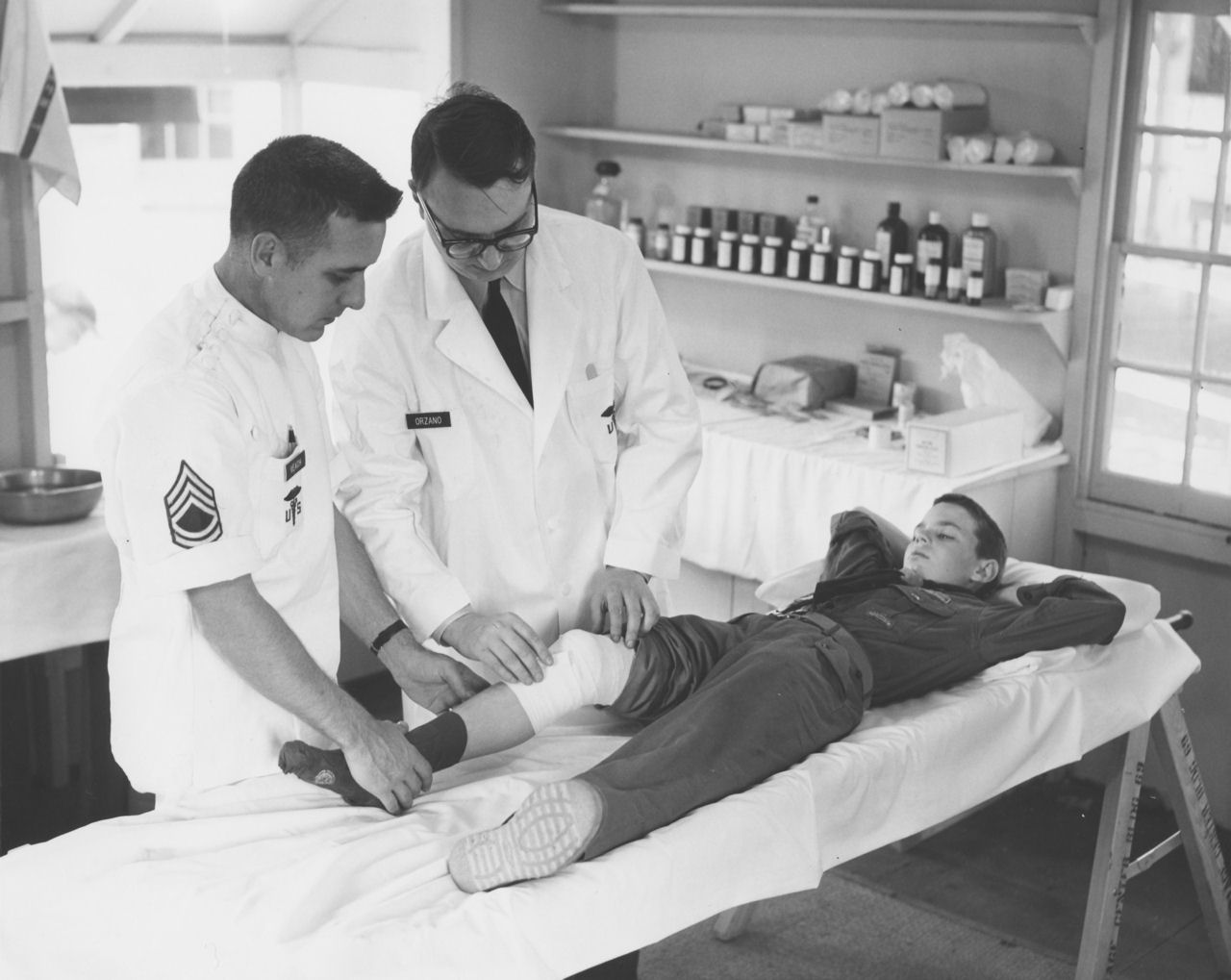
Naval Corpsmen Orzano and Veach tend to an injured new in the Camp Hospital. The White House served as Headquarters and Health Lodge until the current Headquarters and Morrison Health Lodge were built in the 1940s.
Camp Headquarters and Hospital
1928 – Contributed by John B. Rettew III
When Camp first opened, the White House served as Headquarters and Health Lodge.
1928 White House
1928 – Contributed by John B. Rettew III
The White House and surrounding grounds during the inaugural year of Camp. Note the treeless hillside in front of the White House toward the present day Headquarters.
Inside of White House
2009 – Contributed by Andrew Coe
The White House was converted into Winter Camp Staffing quarters for the 2008 – 2009 season as the OA Lodge was under construction.
Pine Tree Damage
2021 – Contributed by Evan Ellwanger
During the winter of 2021, a pine tree fell on the White House causing damage to the roof.
Pine Tree Damage
2021 – Contributed by Evan Ellwanger
During the winter of 2021, a pine tree fell on the White House causing damage to the roof.
Interior of White House
2009 – Contributed by Andrew Coe
The common living area of the White House.
Inside of White House
2009 – Contributed by Andrew Coe
The White House kitchen, lacking in food for the winter.
Interior of White House
2009 – Contributed by Andrew Coe
Another bunk bed area for winter camp staffing.
White House Dedication
2007 – Contributed by John B. Rettew III
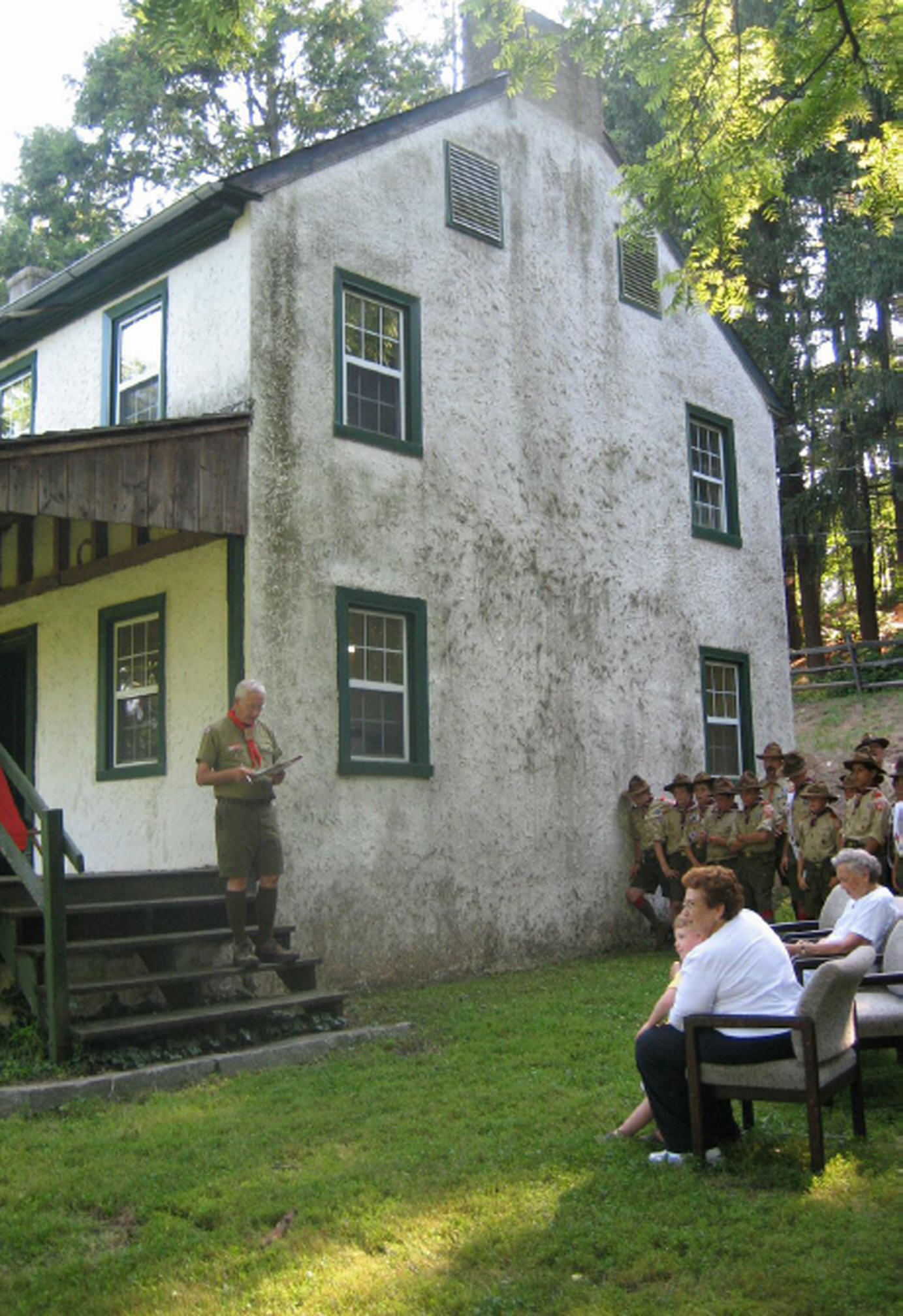
Former Troop 6 Scoutmaster Bill Waxbom dedicates the White House in the late Dr. Ossie Spellman’s honor in front of the Spellman family.
Reynolds Family Gathering
Contributed by John B. Rettew III
Here is a Reynolds family gathering outside the family home (White House) well prior to the sale to Chester County Council. It is believed that this picture was taken in the 1890s. Ira Reynolds, the second Reynolds to own the property, died in 1896, so it is possible that this picture was taken at his funeral.
Chowing Down
1985 – Contributed by G. Ernest Heegard
The camp gathers for a cookout on the White House lawn in the mid 1980s.
The White House
1969 – Contributed by Rev. Thomas Shanklin
The White House in 1969.
White House Roof
2026 – Contributed by Andrew Coe
The White House received a new metal roof in 2026.
Bug House Photos
Display Details
The Bug house was also called the Spring House and was used for a time as the Nature Lodge.
See Also
Click HERE to learn about the Bug House’s original Scouting purpose, being the Nature department building.
Bug House
2008 – Contributed by David B. Woodward
The Bug House located in the side yard of the White House was once the Nature Lodge.
The Bug House
1996 – Contributed by John B. Rettew III
The White House Spring House (aka, Bug House).
Bug House
Contributed by Anonymous
The old spring house (aka Bug House) behind the White House was an early Nature Lodge at Camp Horseshoe.
Bug House Memorial
2016 – Contributed by Andrew Coe
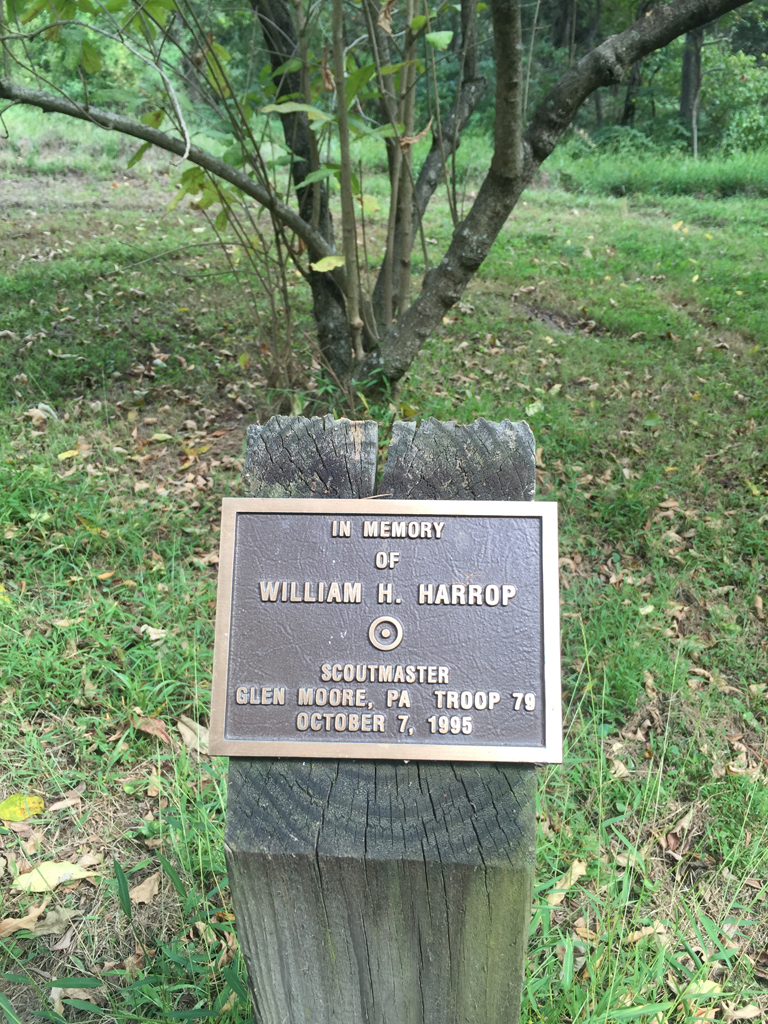
This memorial plaque was put in for Scoutmaster William Harrop of Troop 79.
Roofing
2018 – Contributed by Andrew Coe
Ordeal candidates help the Roofing Crew re-do the shingles at the Bug House near the White House.
Stone Marker Closeup
2010 – Contributed by David B. Woodward
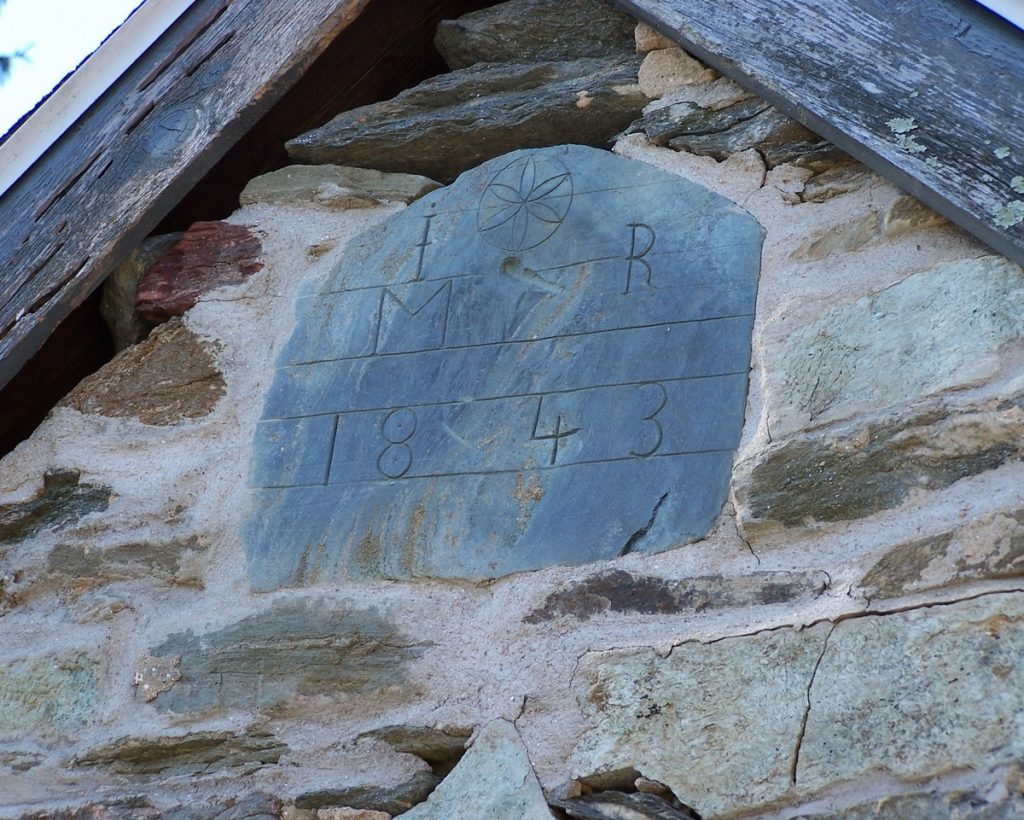
Here is a closeup of the stone marker set on the outside of the Bug House, indicating it was built in 1843. The initials “IMR” are for “Ira M. Reynolds”, though there is no record of what the “M” stands for.
Bug House View
1969 – Contributed by Rev. Thomas Shanklin
A lovely view of the Bug House from the White House porch.
White House History
Display Details
Though the exact date of the building is not known, it has seen its fair share of owners since at least the mid-1850s onward.
See Also
Click HERE to learn about the records of the previous owners of the White House and the Horseshoe property.
Contributed by Andrew Coe
In 1826, the Horseshoe Property passed into the Reynolds’ Family, a local family who ran a pottery below Rock Springs. Then known as Horseshoe Farm, the property was conveyed by Samuel Reynolds to his son Ira. Much of the farm was still covered with a fine stand of timber. Ira Reynolds commenced his task by cutting cord wood and hauling it to the Reynolds’ Pottery, the old Reynolds’ homestead. When the ground was cleared, rye was the principle crop planted. Field irrigation was achieved by interrupting the flow of the river and diverting it through a trench that surrounded the Athletic Field. Ira continued clearing, meanwhile building a large double-deck barn, a wagon shed and a smoke house. Little by little the beautiful and fertile Horseshoe Farm took shape.
“The old flint dwelling had long since become inadequate for the Reynolds family, and a larger home was constructed out of local field stone just up the hill from and to the south of the original flint home. The exact date of the building of this new farmhouse is not definitely known. Upon the opening of the Camp, this building became the headquarters and was used as such for a number of years. The first floor of this building originally contained three rooms, each with its own fireplace. The second floor contained floor contained four rooms with no hallway to connect them. The attic contained one large room. In order to make the house more usable as a headquarters building, the smaller rooms on the first floor were made into one room and one of the fireplaces was closed up. The second floor was provided with a wash room, and hall was added. The third floor was divided into two storage rooms. For 18 years, the first floor was used as the Camp office and First Aid Station, the second floor containing the Director’s Office, Staff Quarters and the Infirmary.”¹
In 1929 an official name became associated with the Reynolds home that was used as camp headquarters. From this year forward it would be known as “The White House.”²
¹Casey Jones’ “Brief History of Horseshoe”
²J.B. Rettew, “The Spirit of the Horseshoe”, 1994.
Videos
Display Details
A few videos of the White House of Camp Horseshoe.
White House in 1943 An exterior look at the White House in 1943. 1943 – Contributed by Tom McCabeMoving Mattresses Ordeal Candidates and OA members move mattresses out of the White House into a truck for their final destinations: the various campsites throughout Camp Horseshoe. 2017 – Contributed by Andrew CoeRoof Work The Octoraro 22 roofing crew works on the Bug House down by the Camp Horseshoe White House. 2018 – Contributed by Andrew Coe
Memorabilia
Display Details
Over the years, a few items of memorabilia have been produced for the White House.
See Also
Click HERE to visit the Virtual Museum’s main Memorabilia room.
White House Postcard
1995 – Contributed by John B. Rettew III
This postcard, issued in 1995, was rendered by J.B. Rettew III and depicts the White House.
1998 – 1999 Winter Camp Patch
1998 – Contributed by Andrew Coe
Winter Camping patch issued for the 1998 – 1999 winter camping season, featuring the White House.
Winter Camp Patch
Contributed by Andrew Coe
A winter camp patch featuring the White House.
What year was this patch issued?
1989 Camp Horseshoe Staff and Leader Stein
1989 – Contributed by Andrew Coe
Camp Horseshoe Staff & Leader stein for 1989 which depicts the White House building.
Camp Mug
1982 – Contributed by Andrew Coe
Featuring the White House again in this 1982 version of the Horseshoe Scout Reservation coffee mug.
Cat's Meow White House
2009 – Contributed by Andrew Coe
The Cat’s Meow pieces were used to fund the Lodge Building Renovations, and several were planned to be released each year.
White House Plaque
2022 – Contributed by Anonymous
This White House plaque, made from slate, was created in 2022.
Newspaper Articles
Display Details
Here you will find any newspaper articles related to the White House.
From the August 5, 1948 edition of the Brandywine Archive, this article talks about the Mother’s Auxiliary using funds to renovate the White House which had recently been dismissed as the camp headquarters in favor of the new building constructed the year prior. 1948 – Contributed by Andrew Coe
Timeline
Display Details
Here is a timeline of the known milestones of the Headquarters building at Camp Horseshoe, including those buildings with affiliated HQ functions past or present.
The Bug House, adjacent to the White House, was constructed in 1843. The facility was used for the Nature Lodge prior to the construction of Roberts Lodge.
After the White House was no longer used as a Health Lodge or Headquarters, it was renovated through the donations of the Mother’s Auxiliary of Chester County, including the purchase of new furniture.





 to play on Jigsaw Planet’s website.